About us
We build for
the physical plant.
Generic AI can't read a live PLC register, and cloud apps can't survive a factory network dropout.
“After a decade sitting on a yellow step stand with a laptop connected to live machinery, you learn exactly what factories will and won't accept.”
“That’s why we built all our own infrastructure, so we can protect your IP and deliver great performance at a cost factories can actually afford.”
Milorad Srdic | Founder | BEng Electrical Engineering (Hons)
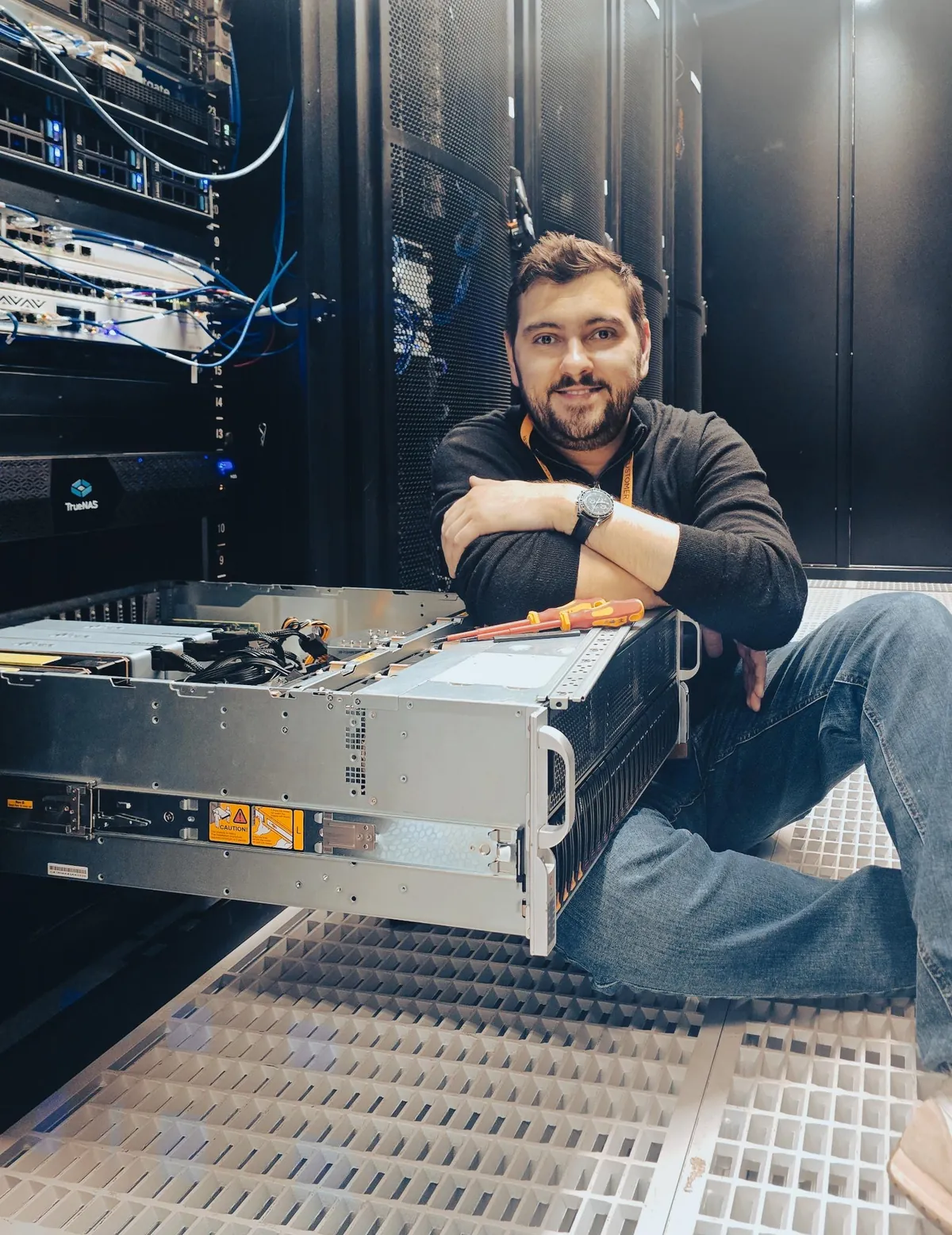
FounderTen years on the factory floor, then a platform built from the bare metal up.
Why we built mutexer.
- Workers, not chat windows.
Plants need workers, not more chat windows. Rivets connect directly to your OT network, drive your local HMIs, and do the troubleshooting, drawing checks and reporting that your engineers are too busy to do.
- Edge hardware first. AI second.
We don't just wrap public APIs. We built our stack from the bare metal up. Our edge agents deploy directly onto standard IPCs inside your control cabinet. They communicate over local industrial protocols, and AI inference runs on our own private infrastructure (Magnum), not a third-party AI service. Enterprise plans get dedicated capacity.
- Built by engineers, for the floor.
We are an Australian company, built by industrial engineers and computer scientists with decades of combined experience delivering industrial automation, robotics and machine vision for defence and high-assurance industries.
Our basic guide.
We build for the physical edge first. This is our commitment.
- 01If the internet dies, the line survives.
Your local screens and plant apps stay up.
- 02No black boxes.
Every PLC tag and drawing check is governed by hard, deterministic rules.
- 03No seat licences.
Pay a flat rate for the Rivet. Everyone on the floor gets access.
- 04Outbound-only, always.
We never ask IT to open inbound firewall ports.